

Introduction
Digital transformation is no longer a choice — it is a requirement for survival in today’s business world. Companies across every industry are adopting modern technologies like artificial intelligence (AI), automation, cloud computing, data analytics, and digital platforms to streamline operations, improve customer experience, and stay competitive.
A 2025 global survey shows that 72% of companies accelerated digital transformation after 2020, and more than $3.4 trillion is being invested worldwide in digital initiatives. Whether it’s banking, retail, healthcare, education, or manufacturing, digital transformation is reshaping how businesses operate.
This detailed guide explains what digital transformation is, why it matters, and how it is revolutionizing modern businesses in 2025 and beyond.
1. What Is Digital Transformation?
Digital transformation is the process of using digital technologies to create new business processes, improve productivity, enhance customer experience, and drive innovation.
Simple Definition:
Digital transformation = using technology to make business faster, smarter, and more efficient.
Core Elements
- Automation
- Cloud computing
- Data analytics
- AI & machine learning
- Digital tools & platforms
- Cybersecurity
Digital transformation is not only about technology — it also changes culture, customer service, and business strategy.
2. Why Digital Transformation Matters Today
Modern customers expect fast, easy, tech-driven experiences.
Businesses that don’t transform face:
- Higher operational costs
- Slow processes
- Poor customer engagement
- Competitive disadvantages
- Security vulnerabilities
Digital transformation helps organizations become more agile, intelligent, and resilient.
3. Key Technologies Driving Digital Transformation
A) Artificial Intelligence (AI)
AI automates complex tasks, analyzes massive data, and makes predictions.
Uses
- Chatbots
- Fraud detection
- AI recommendations
- Predictive analytics
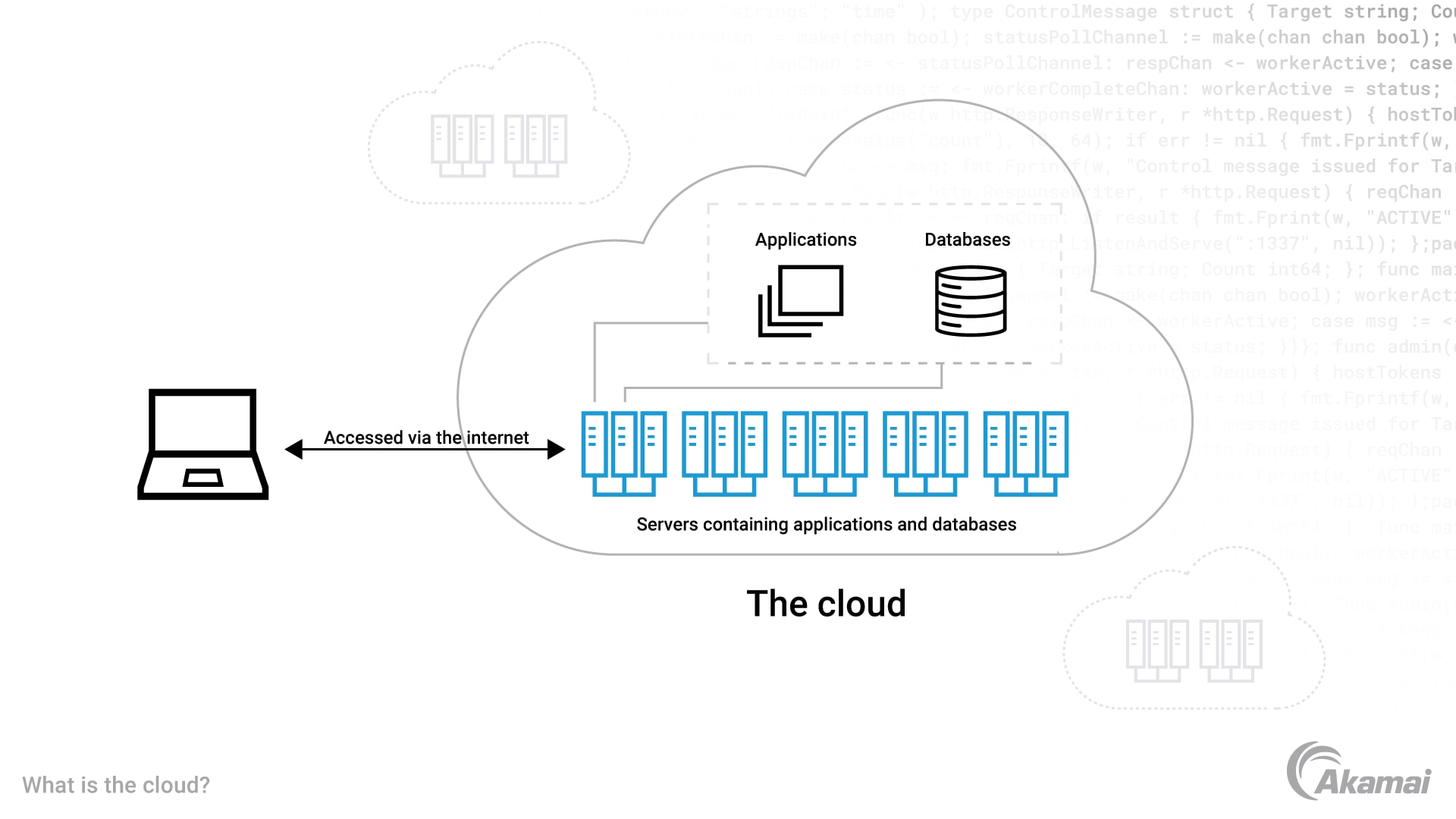
B) Cloud Computing
Cloud eliminates physical servers and enables global accessibility.
Benefits
- Scalability
- Reduced IT cost
- Faster deployment
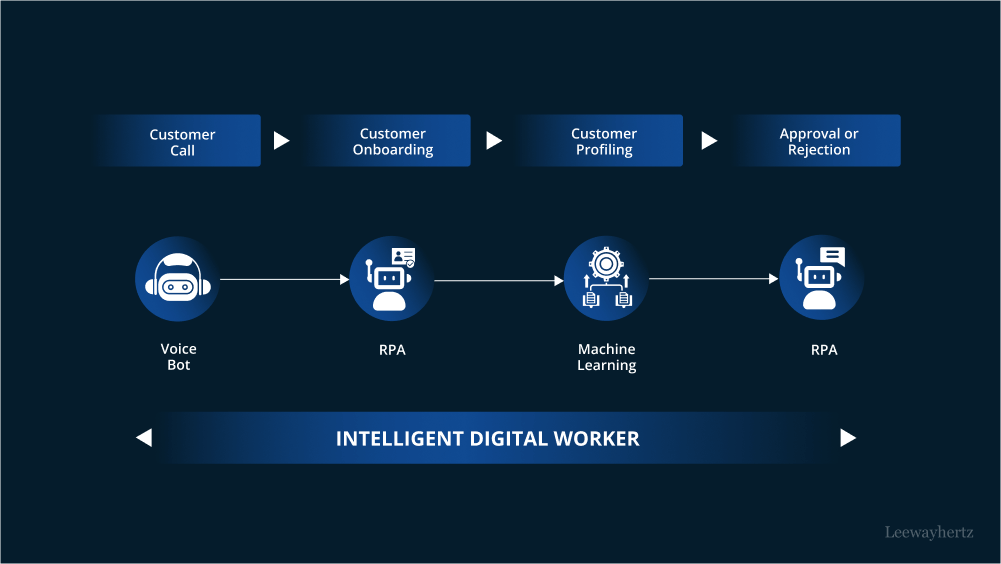
C) Automation (RPA)
Robotic Process Automation reduces human workload.
Examples
- Automated billing
- Data entry
- Inventory updates
D) Big Data & Analytics
Data-driven decisions replace guesses.
Uses
- Customer behavior analysis
- Market trends forecasting
- Performance monitoring
E) Cybersecurity
Modern businesses need stronger protection against cyberattacks.
4. How Digital Transformation Is Changing Business Operations
1. Faster and Smarter Decision-Making
AI and analytics help leaders make decisions in minutes, not weeks.
Impact
- Accurate forecasting
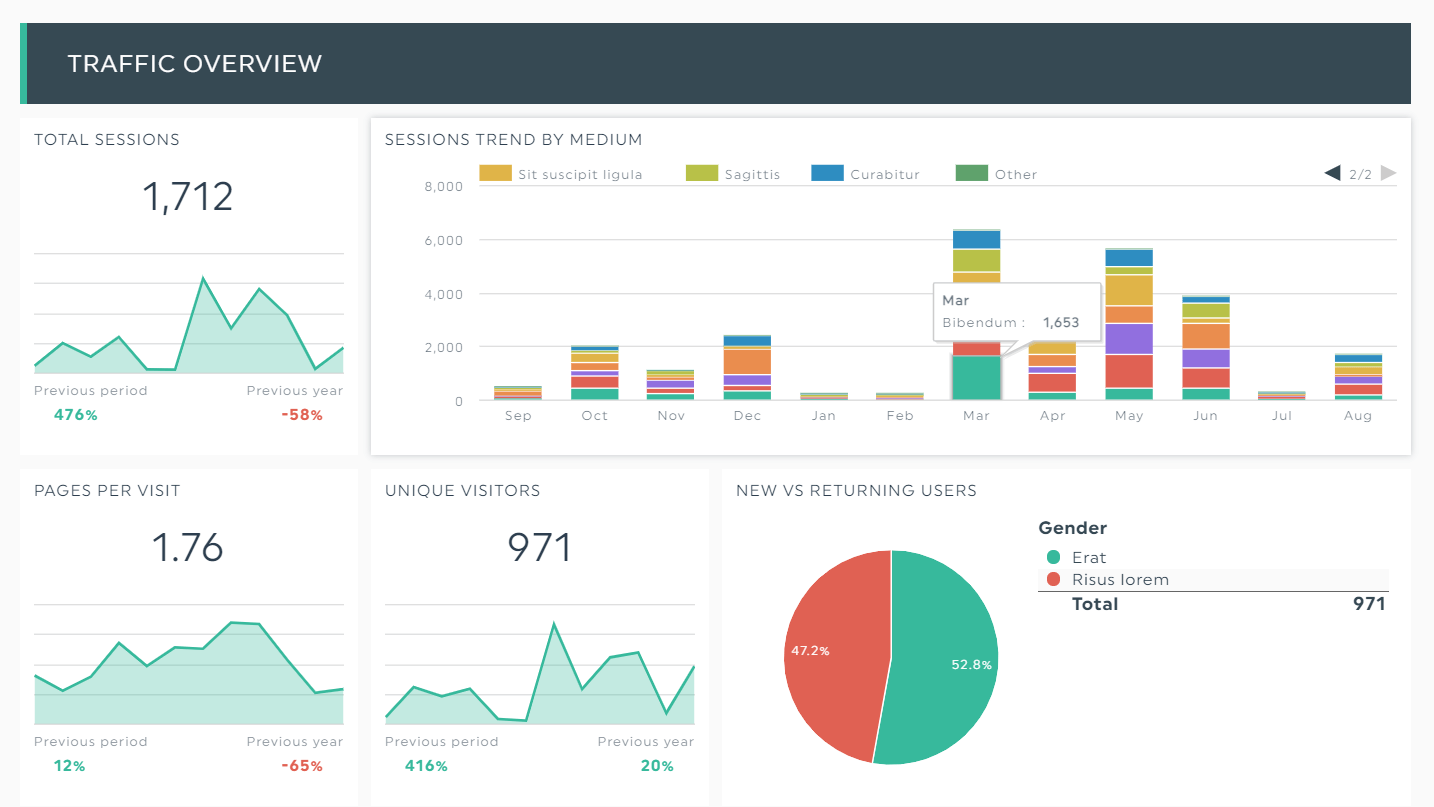
- Real-time dashboards
- Better resource management
2. Improved Customer Experience
Customers demand convenience, speed, and personalization.
Examples
- Chatbots providing 24/7 support
- Personalized shopping recommendations
- Mobile-first services
Digital experience = business success.
3. Eliminating Manual Work & Increasing Productivity
Automation helps teams focus on high-value tasks instead of repetitive work.
Benefits
- Fewer errors
- Faster operations
- Higher output
4. Remote Work & Collaboration
Digital tools like Zoom, Slack, and cloud platforms make remote work seamless.
Result
- Global talent access
- Lower office costs
- Flexible work culture
5. Stronger Security & Risk Management
Modern threats require modern solutions.
Digital security tools
- Multi-factor authentication (MFA)
- Firewalls & encryption
- AI-based threat detection
5. Digital Transformation in Major Industries


A) Retail
Retailers use digital tools to create personalized experiences.
Examples
- AI-based product suggestions
- Digital payments
- Inventory automation
B) Banking & Finance
Banks adopt digital platforms for customer convenience.
Examples
- Mobile banking
- AI fraud detection
- Online KYC
- Crypto & blockchain adoption
C) Healthcare
Technology is transforming patient care.
Examples
- Telemedicine
- Electronic medical records
- AI disease detection
D) Manufacturing
Smart factories use IoT and robotics.
Impact
- Automated assembly lines
- Predictive maintenance
- Reduced downtime
E) Education
Digital learning tools make education accessible worldwide.
6. Benefits of Digital Transformation
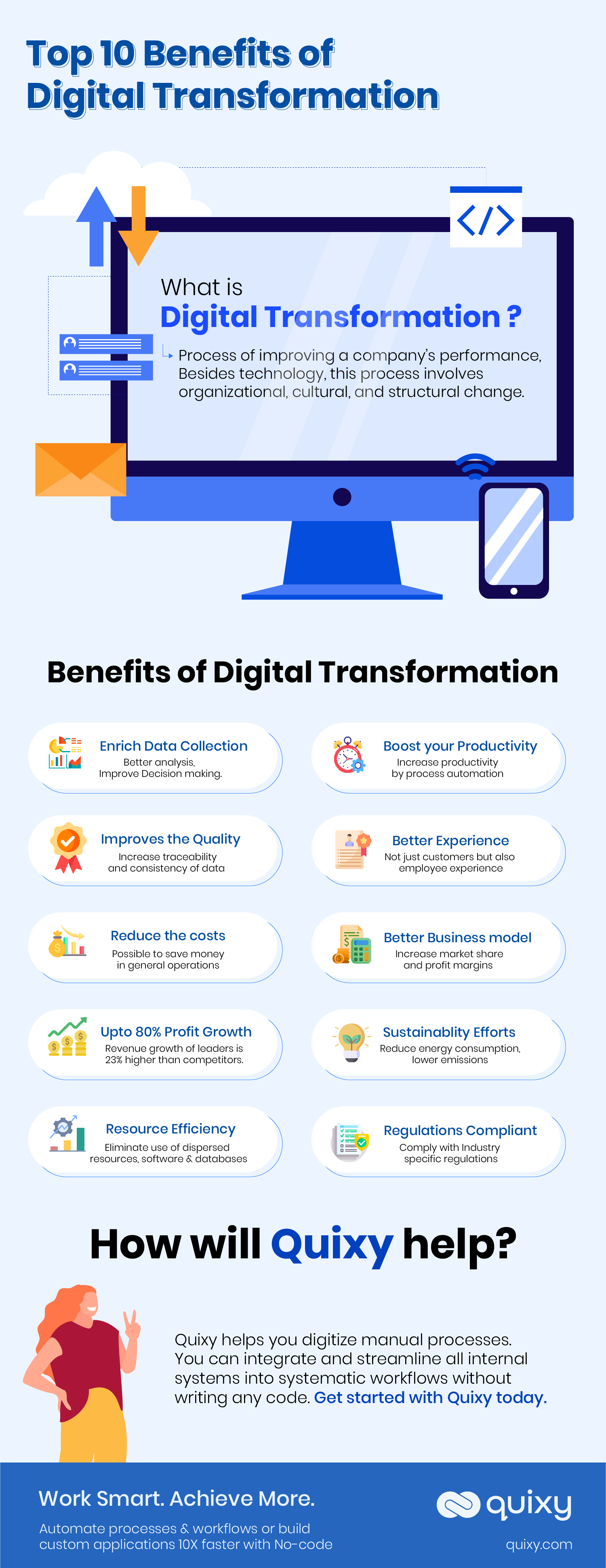

A) Lower Operational Costs
Automation and cloud reduce manual work and hardware expenses.
B) Higher Customer Satisfaction
Personalized services and faster responses build loyalty.
C) Increased Agility
Businesses quickly adapt to market changes.
D) Enhanced Innovation
Technology enables new product development and creative solutions.
E) Data-Driven Culture
Employees rely on evidence-based decisions.
7. Challenges in Digital Transformation
A) High Initial Investment
Technology implementation can be expensive.
B) Employee Resistance
People fear change or automation.
C) Skill Gaps
Companies need digitally skilled workers.
D) Cybersecurity Risks
More digital systems = more vulnerabilities.
8. Digital Transformation Trends in 2025

1. AI Everywhere
AI becomes standard in all business tools.
2. Automation at Scale
More businesses automate full workflows.
3. Cybersecurity Modernization
Zero-trust security becomes essential.
4. Blockchain Integration
Used for secure transactions and identity management.
5. Metaverse & VR for Business
Virtual workplaces and training environments grow.
6. Green & Sustainable Technology
Eco-friendly technology investments increase.
9. How Businesses Can Start Digital Transformation
Step 1: Analyze Current Problems
Identify slow processes, customer issues, or inefficiencies.
Step 2: Choose the Right Technologies
Cloud, AI, automation, CRM, cybersecurity, etc.
Step 3: Train Employees
Digital skills are the foundation of transformation.
Step 4: Start Small and Scale
Launch pilot projects before full rollout.
Step 5: Measure Results
Track improvements in cost, speed, and customer satisfaction.
Conclusion
Digital transformation is reshaping the business landscape worldwide. Companies that embrace modern technologies achieve faster growth, higher efficiency, improved customer relationships, and greater innovation.
In 2025 and beyond, successful businesses will be those that adapt quickly, invest in technology, empower employees, and use data-driven decision-making.
Digital transformation is not just a trend — it is the future of business.




Leave a Reply