

Introduction
Artificial Intelligence (AI) is no longer just a futuristic concept. It has become the backbone of modern business transformation worldwide. From healthcare to finance, supply chain to marketing, AI is helping companies work smarter, reduce costs, improve decision-making, and deliver better customer experiences.
According to global tech reports, more than 80% of enterprises now use AI in at least one of their processes — and the number is rapidly increasing.
This detailed guide explores the Top 10 real-world applications of AI that are reshaping industries in 2025. Each example includes real use cases, benefits, technologies behind it, and why businesses rely on AI more than ever.
1. AI-Powered Customer Service & Chatbots


AI chatbots and virtual assistants have become the first point of contact for customers across the world. They provide instant replies, reduce staff workload, and operate 24/7.
Real-world examples
- Banking apps using chatbots for balance inquiries, card issues, and loan support.
- E-commerce sites using AI bots for order tracking, refunds, and product recommendations.
Benefits
- Instant customer response
- Reduced customer service cost by 60–70%
- Handles millions of queries simultaneously
Technologies behind it
- Natural Language Processing (NLP)
- Machine learning
- Neural networks
AI chatbots are becoming smarter every month — understanding emotions, tone, and user intent — improving customer satisfaction dramatically.
2. AI in Healthcare — Diagnosis, Treatment & Predictions

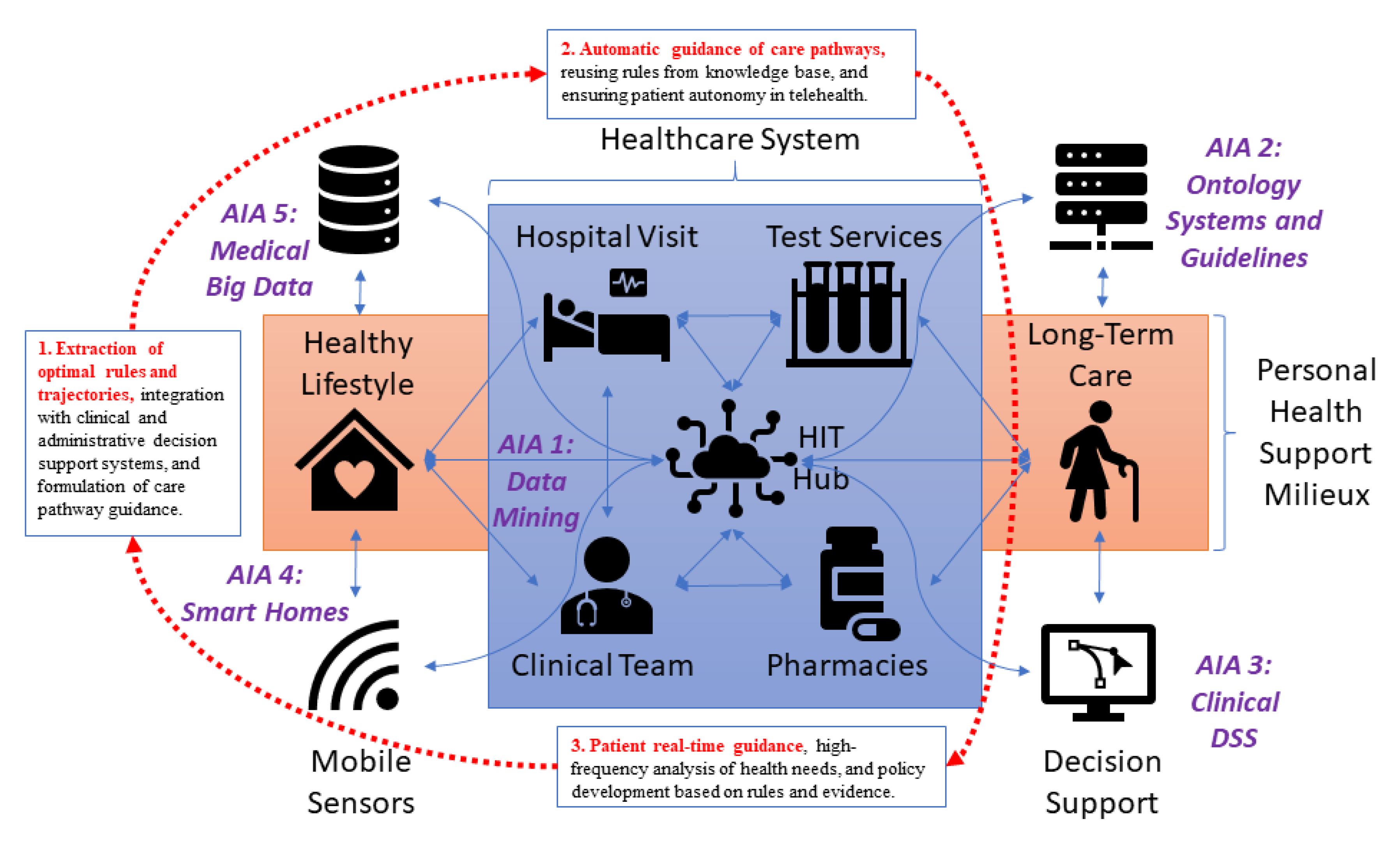
AI is transforming healthcare more than any other industry. Hospitals now use AI to detect diseases earlier and improve patient care.
Real-world use cases
- AI detecting cancer through image analysis faster than human doctors.
- Robotic surgeries that increase precision and reduce recovery time.
- AI predicting patient risk, such as heart attacks or diabetes.
Benefits
- Faster and more accurate diagnosis
- Lower treatment cost
- Personalized medicine based on patient data
By 2030, AI is expected to save the global healthcare industry over $150 billion annually.
3. AI in Finance — Fraud Detection & Smart Banking
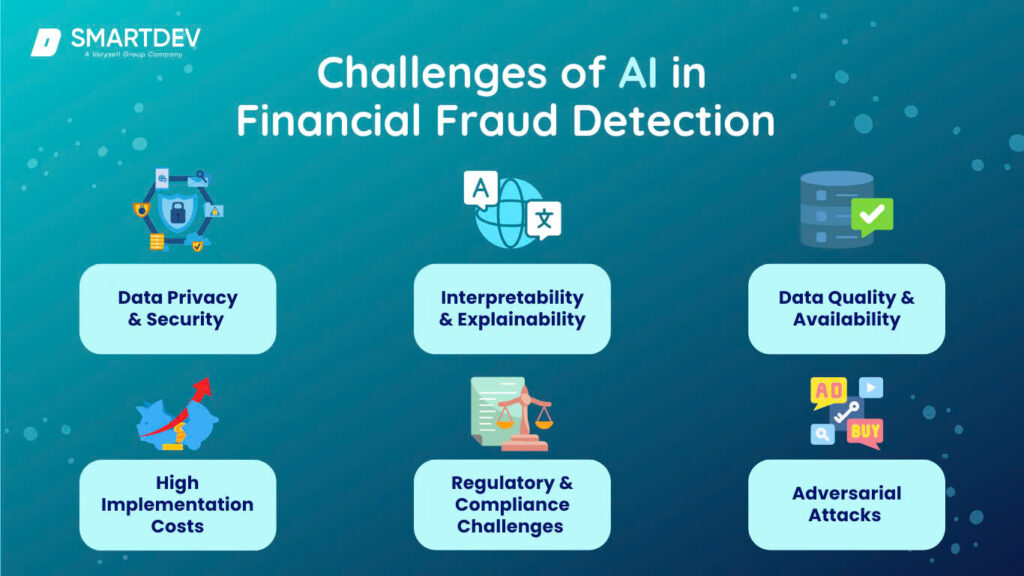
Banks and fintech companies depend heavily on AI for secure and efficient operations.
How AI is used
✔️ Detecting unusual transactions (fraud alerts)
✔️ Approving loans using AI risk scoring
✔️ Automating customer verification (KYC)
✔️ Investment predictions using AI models
Benefits
- 99% accuracy in fraud detection
- Faster loan approvals
- Smarter investment choices
- Improved financial security
AI helps financial institutions save billions by preventing fraud and improving transparency.
4. AI in E-Commerce — Recommendations & Personalization
E-commerce companies like Amazon, Alibaba, and Shopify rely heavily on AI to increase sales.
Where AI is used
- Personalized product recommendations
- Dynamic pricing (price changes based on demand)
- Inventory and demand forecasting
- Image-based product search
Benefits
- Boosts sales by up to 35%
- Reduces returns
- Improves customer satisfaction
- Helps businesses know customer behavior
AI has become essential for competitive e-commerce operations.
5. AI in Marketing — Targeted Ads & Customer Insights
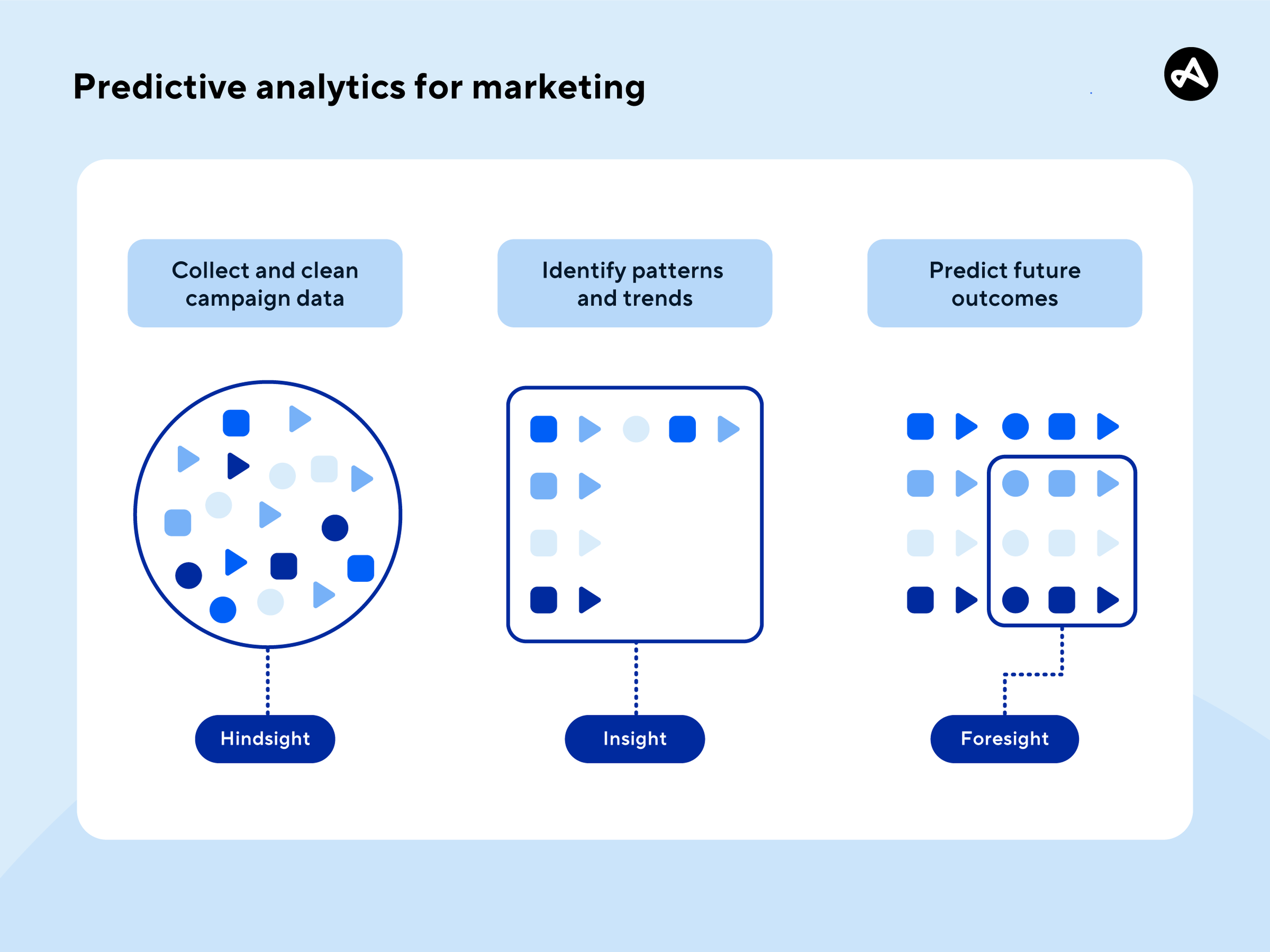
Marketing teams worldwide use AI to understand customers deeply and run more effective campaigns.
Applications
- Predictive analytics (what customers will buy next)
- Social media sentiment analysis
- Automated email campaigns
- AI-generated advertising content
Benefits
- Higher return on ad spend
- Accurate customer targeting
- Personalized marketing at scale
AI helps companies make smarter marketing decisions with real-time data.
6. AI in Manufacturing — Automation & Quality Control
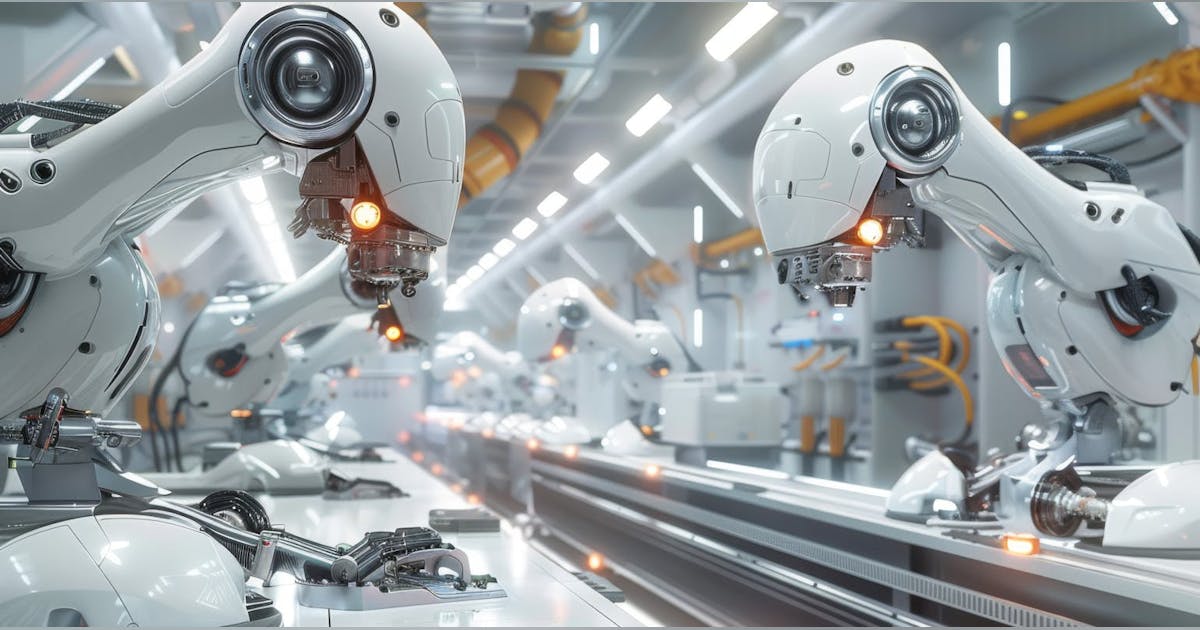

AI has created the era of smart factories, where machines communicate, analyze, and make decisions.
Use cases
- Robots performing repetitive tasks
- AI monitoring product quality
- Predicting machine breakdowns
- Reducing production waste
Benefits
- 24/7 factory operation
- Lower labor costs
- Faster production
- Fewer defects
Manufacturing companies report up to 40% increased efficiency with AI.
7. AI in Transportation — Self-Driving & Route Optimization


Transportation and logistics rely heavily on AI for automation and efficiency.
Examples
- Self-driving cars using AI vision systems
- AI predicting traffic and shortest delivery routes
- Airlines using AI for fuel efficiency and scheduling
Benefits
- Lower delivery costs
- Fewer accidents
- Faster logistics
- Environment-friendly operations
AI is becoming essential for global transportation networks.
8. AI in Education — Smart Learning & Automation

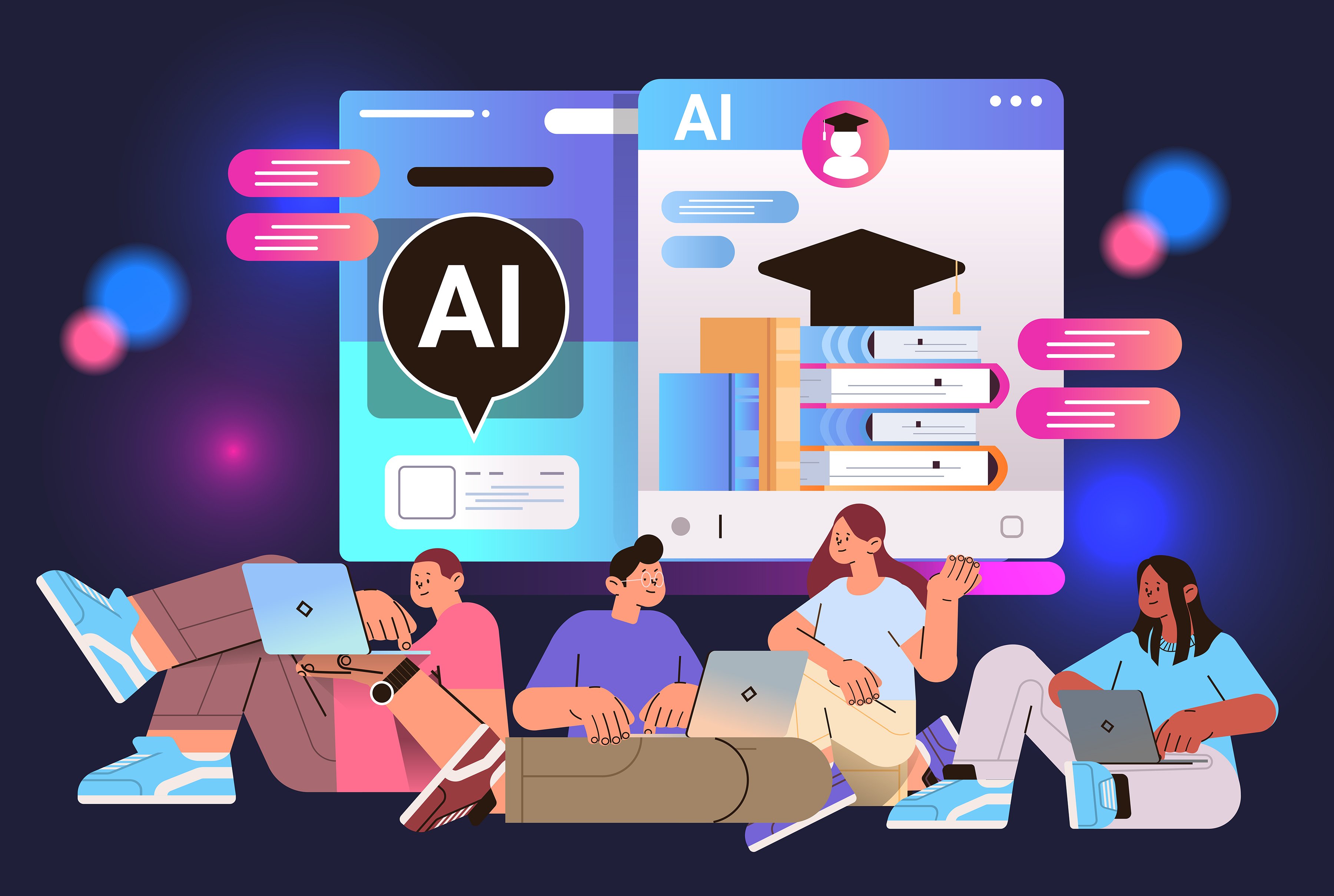
AI has changed the way students learn and teachers teach.
Applications
- Personalized learning based on student performance
- AI-powered grading and assessments
- Virtual tutors
- Plagiarism and cheating detection
Benefits
- Better student outcomes
- Less teacher workload
- Accessible global learning
AI is making education more flexible and interactive.
9. AI in Human Resources — Hiring & Employee Management
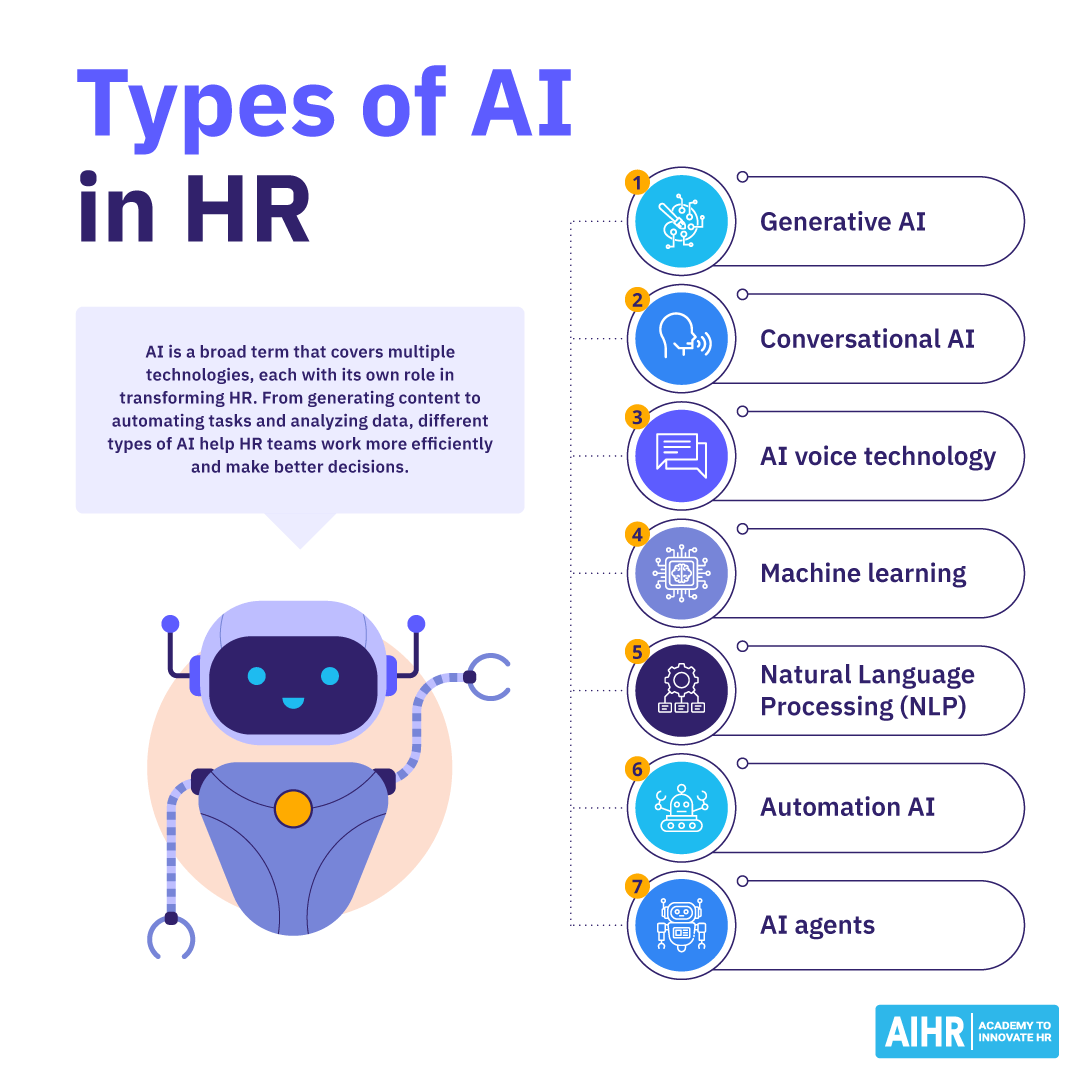

Companies use AI to hire the right candidates and manage employees effectively.
Use cases
- AI screening job applications
- Automated interviews
- Tracking employee productivity
- Predicting employee turnover
Benefits
- Faster hiring
- Bias-free decisions
- Better employee engagement
AI improves the entire recruitment and HR ecosystem.
10. AI in Cybersecurity — Threat Detection & Response
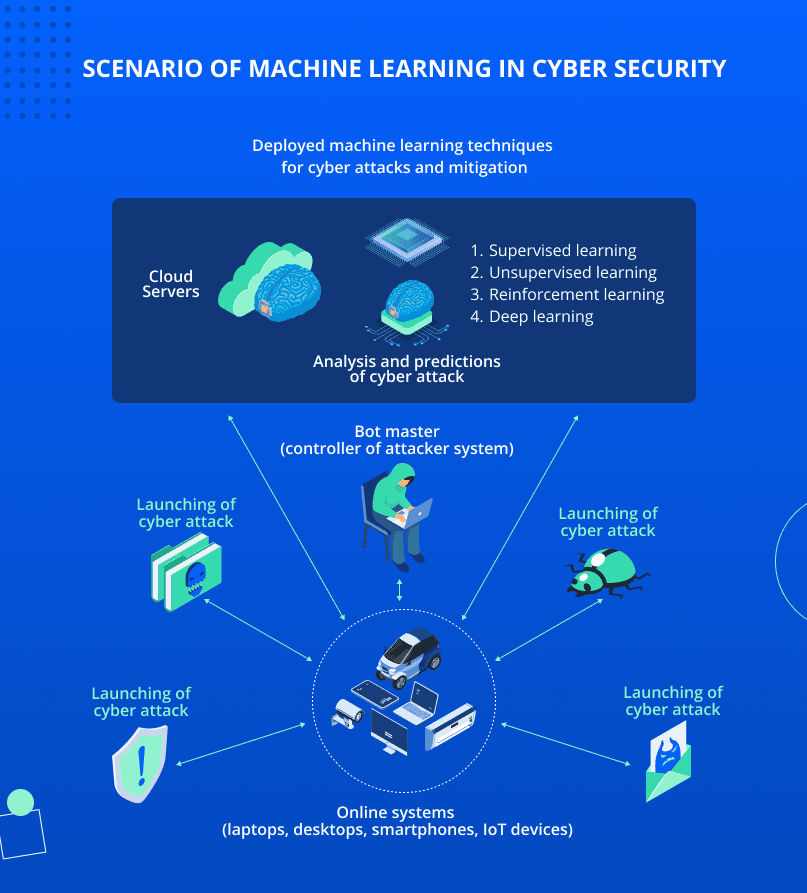
Cyberattacks are increasing, and AI is the strongest defense system for businesses.
What AI does
- Detects unusual network behavior
- Blocks hacking attempts in real-time
- Identifies malware quickly
- Predicts future threats
Benefits
- 24/7 security
- Faster and accurate threat detection
- Reduced cost of cybersecurity
AI is essential for protecting modern digital businesses.
Conclusion
AI is not just an emerging technology — it is the foundation of the future. From customer service to cybersecurity, every major industry uses AI to operate faster, smarter, and more efficiently. Businesses adopting AI early gain a massive competitive advantage.
Whether you run a startup, enterprise, or online platform, understanding AI applications is the key to future success.





Leave a Reply