

Introduction
The world of technology is evolving faster than ever. Innovations that once seemed impossible—AI assistants, self-driving cars, quantum computers, robotic automation—are now becoming part of everyday life. As we move through 2025, businesses, developers, and consumers need to understand the major technology trends shaping the future.
Global tech spending is projected to reach $5.3 trillion in 2025, driven by artificial intelligence, cloud computing, cybersecurity, automation, robotics, and immersive digital experiences.
This guide explores the Top Technology Trends of 2025, their impact on industries, and how they will transform the world over the next decade.
1. Artificial Intelligence Everywhere (AI 2.0)

AI is no longer limited to tech giants—it’s integrated into every device, app, and business system.
Key AI Trends of 2025
- AI copilots in business software
- Predictive AI for finance & health
- AI-generated content (text, image, video)
- Advanced NLP understanding human emotions
- Affordable AI automation tools for small businesses
Impact
- Faster business operations
- Lower operational costs
- Better customer experiences
AI is becoming the backbone of global digital transformation.
2. Automation & Robotics Grow Rapidly


Automation is replacing repetitive manual tasks with smart machines.
Robotics trends
- Autonomous warehouses
- Delivery drones
- Robotic surgical systems
- AI-powered industrial robots
Impact
- Increased productivity
- Reduced labor costs
- Higher accuracy in manufacturing
Robotics will create new jobs in engineering, programming, and maintenance.
3. Quantum Computing Becomes More Practical
Quantum computing is moving from experimental labs to commercial use.
What’s new in 2025
- Quantum cloud services
- Breakthroughs in quantum AI
- Quantum cybersecurity tools
Industries impacted
- Medicine
- Finance
- Cybersecurity
- Climate modeling
Quantum computing will solve problems that classical computers cannot.
4. Rise of Green Tech & Sustainable Innovation


Governments and industries are adopting eco-friendly technologies to reduce carbon footprint.
Examples
- Solar & wind energy improvements
- Electric vehicles
- Green data centers
- Recyclable electronics
Why it matters
Consumers prefer sustainable brands.
Governments are enforcing stricter environmental policies.
5. 5G & 6G Networks Expand Worldwide
Superfast internet is enabling new digital experiences.
What improves with 5G & 6G
- Faster streaming
- Improved IoT performance
- Reduced latency
- Better online gaming
Benefits
Smart cities, smart factories, and smart homes will operate more efficiently with advanced connectivity.
6. Blockchain Beyond Cryptocurrency

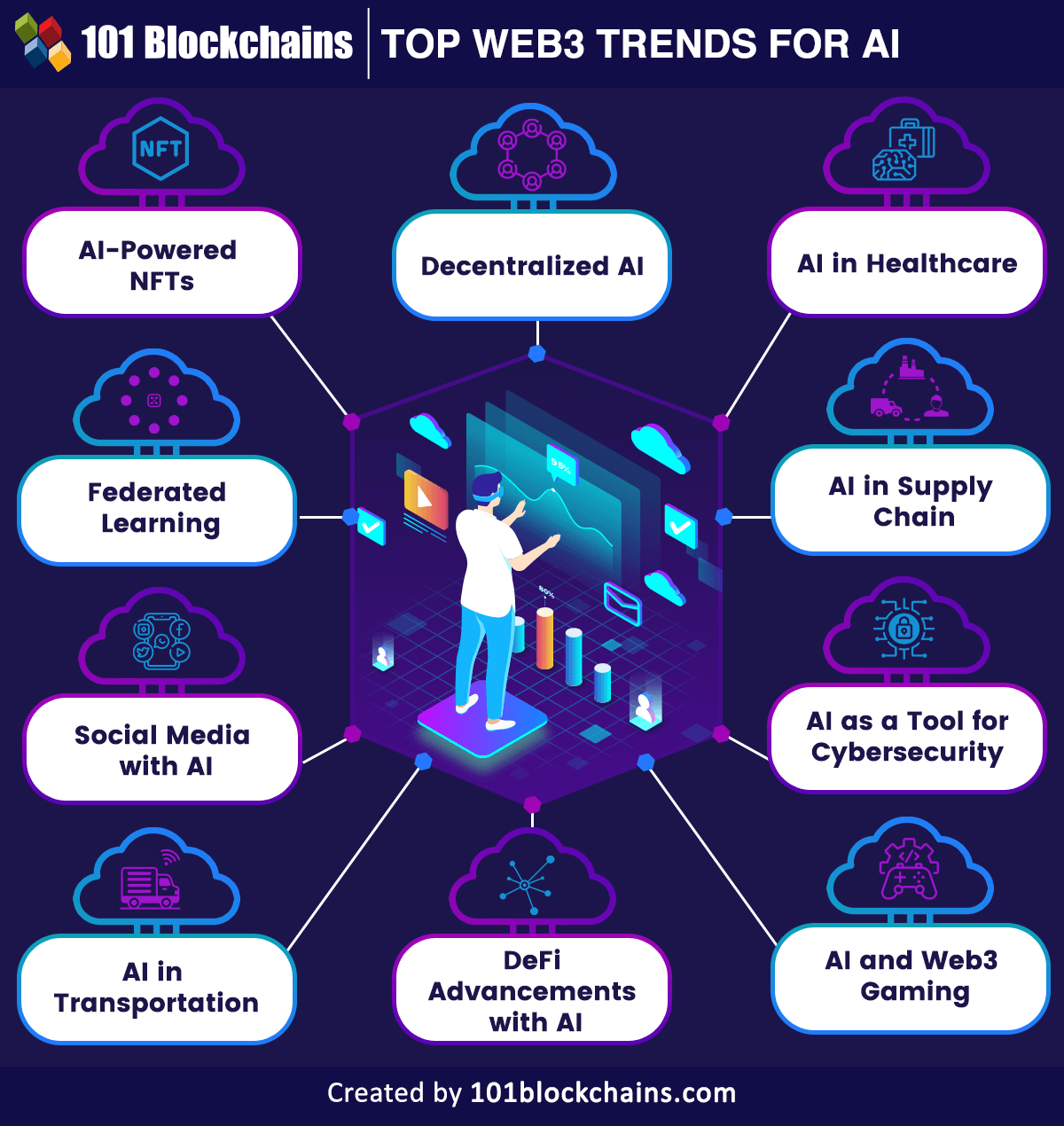
Blockchain is becoming a trusted digital foundation beyond Bitcoin and crypto.
2025 blockchain use cases
- Digital identity verification
- Supply chain transparency
- Smart contracts
- Secure voting systems
- Anti-counterfeit tracking
Blockchain is transforming trust, transparency, and security in digital systems.
7. Cybersecurity Becomes AI-Driven & Zero-Trust
Cyber threats are increasing, and companies must adopt modern security strategies.
New cybersecurity trends
- Zero-trust architecture
- Passwordless authentication
- AI threat detection
- Quantum-safe encryption
Industries using advanced security
- Banking
- Healthcare
- Government
- E-commerce
Cybersecurity investment will reach $300+ billion in 2025.
8. Virtual Reality (VR) & Augmented Reality (AR) Go Mainstream

Immersive technologies are transforming entertainment, work, and learning.
Examples
- Virtual classrooms
- AR navigation
- VR fitness
- Metaverse workspaces
Impact
Businesses will use VR for training, design, and remote collaboration.
9. Internet of Things (IoT) Powers Smart Living
IoT connects everyday devices to the internet.
Examples
- Smart thermostats
- Connected cars
- Smart appliances
- Wearable devices
2025 trends
IoT + AI = Intelligent automation
IoT + 5G = Faster connectivity
10. Edge Computing Replaces Traditional Cloud
Edge computing processes data near the user instead of far-away cloud servers.
Benefits
- Faster processing
- Reduced bandwidth usage
- Better privacy
Uses
- Smart cities
- Self-driving cars
- Industrial sensors
11. Digital Twins Revolutionize Industries

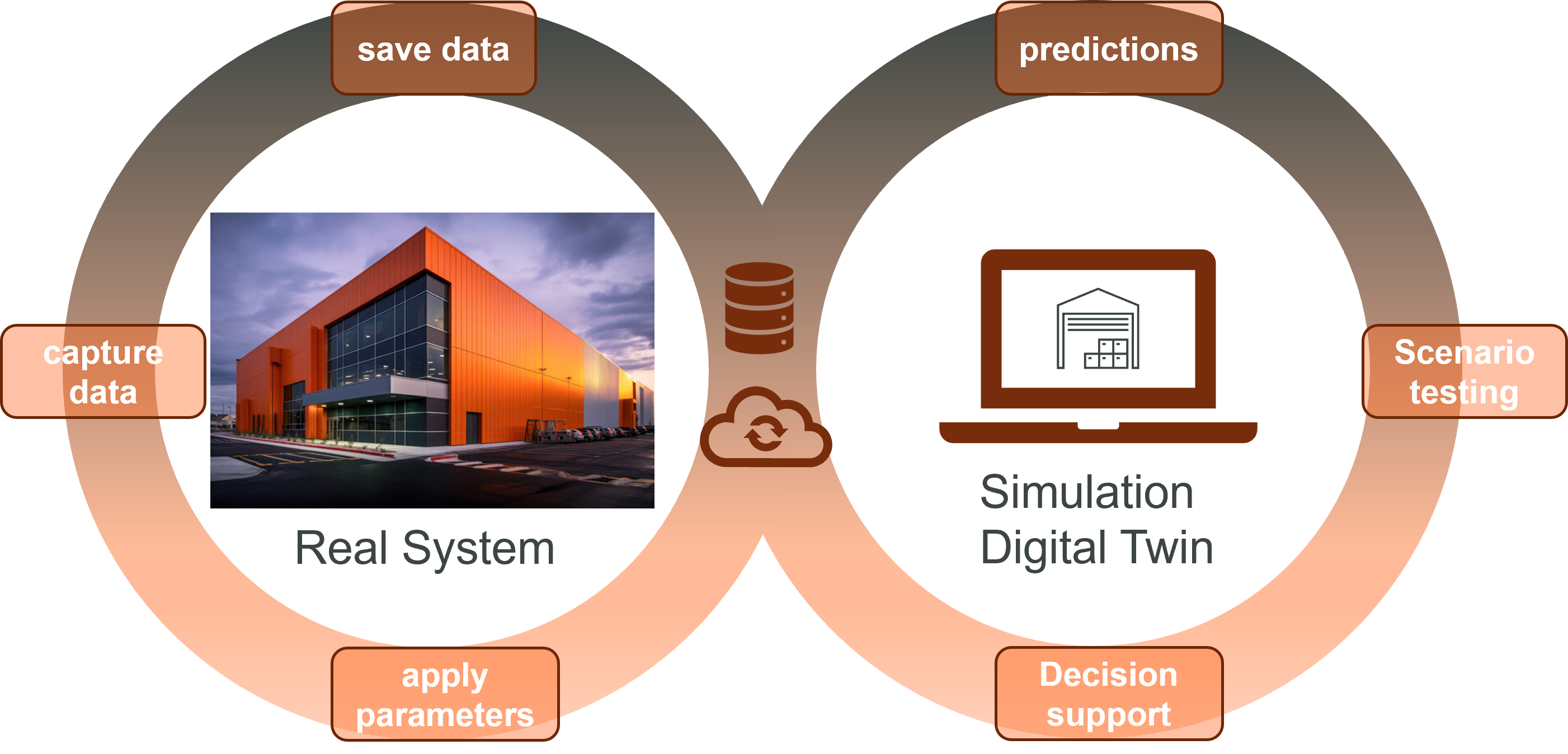
A digital twin is a virtual replica of a real object or system.
Uses
- Manufacturing systems
- Smart cities
- Aircraft & automotive testing
- Healthcare simulations
Digital twins help companies predict failures and optimize performance.
12. Personalized Technology Through AI
Apps and platforms now adapt to individual user behavior.
Examples
- Personalized healthcare plans
- AI-curated music and movies
- Custom shopping recommendations
Impact
Users get highly tailored experiences in every industry.
13. Autonomous Vehicles Continue Advancing
Self-driving technology is improving with better sensors, AI vision, and robotics.
Use cases
- Autonomous taxis
- Delivery trucks
- Smart public transport
This trend will reshape logistics and transportation.
14. Smart Homes Become More Intelligent

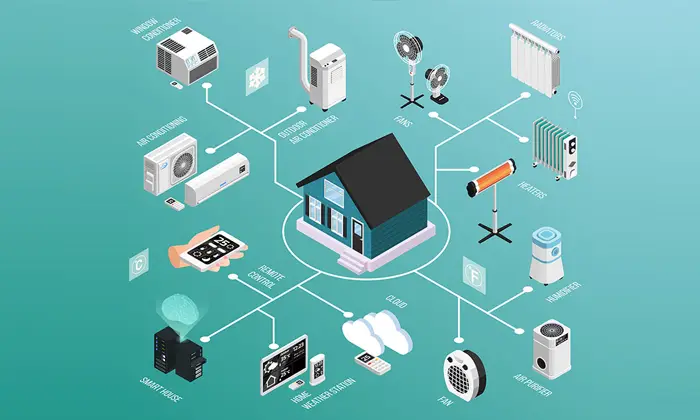
Examples
- Smart lights
- Voice assistants
- Smart security systems
- Automated kitchens
Smart homes reduce energy costs and improve safety.
15. The Rise of No-Code & Low-Code Platforms
Businesses can now build apps without writing code.
Benefits
- Faster development
- Lower cost
- Easy for non-technical users
This helps startups grow quickly without big tech teams.
Conclusion
Technology in 2025 is more powerful, accessible, and impactful than ever before. From AI automation to quantum computing and sustainable innovation, these trends are reshaping industries, economies, and everyday life.
Businesses that adopt these technologies early will gain a massive competitive advantage. Meanwhile, individuals who learn and adapt to new digital skills will thrive in the future job market.
The world is moving toward intelligent, automated, and connected systems — and the future of technology is full of groundbreaking possibilities.




Leave a Reply